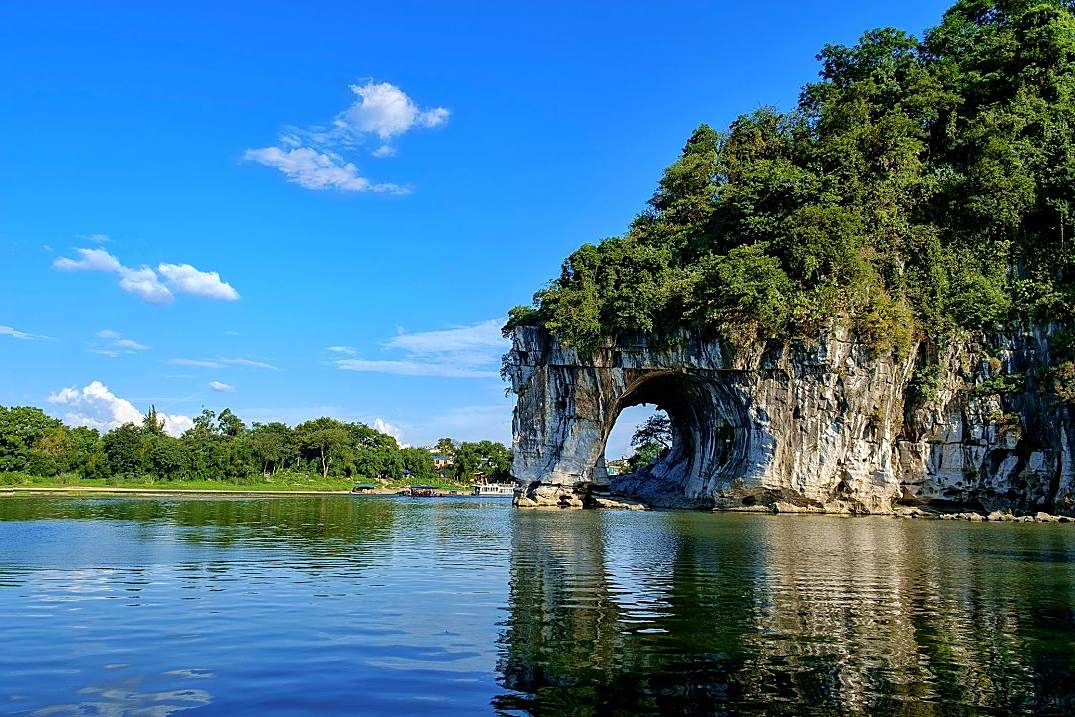
Guilin is home to some of China’s most stunning landscapes, and Elephant Trunk Hill stands out as one of its top attractions. Located at the confluence of the Taohua River and Li River, this unique hill resembles a giant elephant drinking water with its trunk and serves as an iconic symbol of Guilin’s natural beauty. It is a must-visit for travelers and a popular spot for photography, offering charming views both day and night.
Elephant Trunk Hill Facts
- Chinese name: 象鼻山, Xiàngbíshān
- Name: Elephant Trunk Hill
- Other names: Li Hill, Yi Hill and Chenshui Hill
- Type: Geologic Formations, Nature & Parks
- Location: Confluence of Taohua River and Lijiang River, Guilin, Guangxi
- Area: 143,000 square meters
- Recommended Visiting Time: 2-3 hours
- Opening Hours: 07:00-21:30
- Tickets: Free
The hill rises 55 meters above the river and is approximately 108 meters long and 100 meters wide. It is composed of 360-million-year-old limestone, a classic example of the karst topography that defines the Guilin region. This remarkable formation and its unique landscape have made it the symbol of the city. It is recognized as a national 5A-level tourist attraction and was listed as a “Recommended Scenic Spot by the World Tourism Organization” in 2003.
Legend of the God Elephant
Elephant Trunk Hill stands out not only for its unique form but also for the captivating myths that explain its origin.
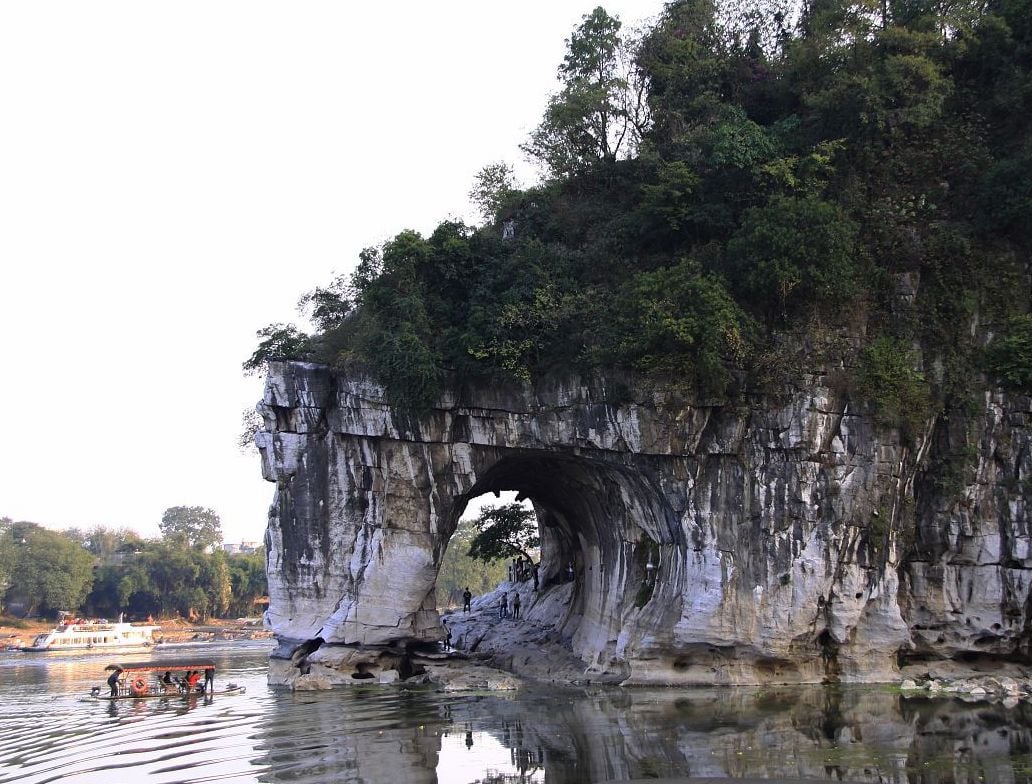
The most popular legend tells of a divine elephant from the Jade Emperor’s court. During a celestial hunt, it descended to Earth and became enchanted by Guilin’s stunning landscape. Choosing to remain, the elephant helped farmers by plowing their fields.
Angered by its desertion, the Jade Emperor sent soldiers to punish the rebellious elephant. After a fierce three-day battle, the elephant was fatally wounded. As it knelt to drink from the Li River for the last time, its posture turned to stone—forming the hill and the pagoda on its back is said to be the hilt of a heavenly sword.
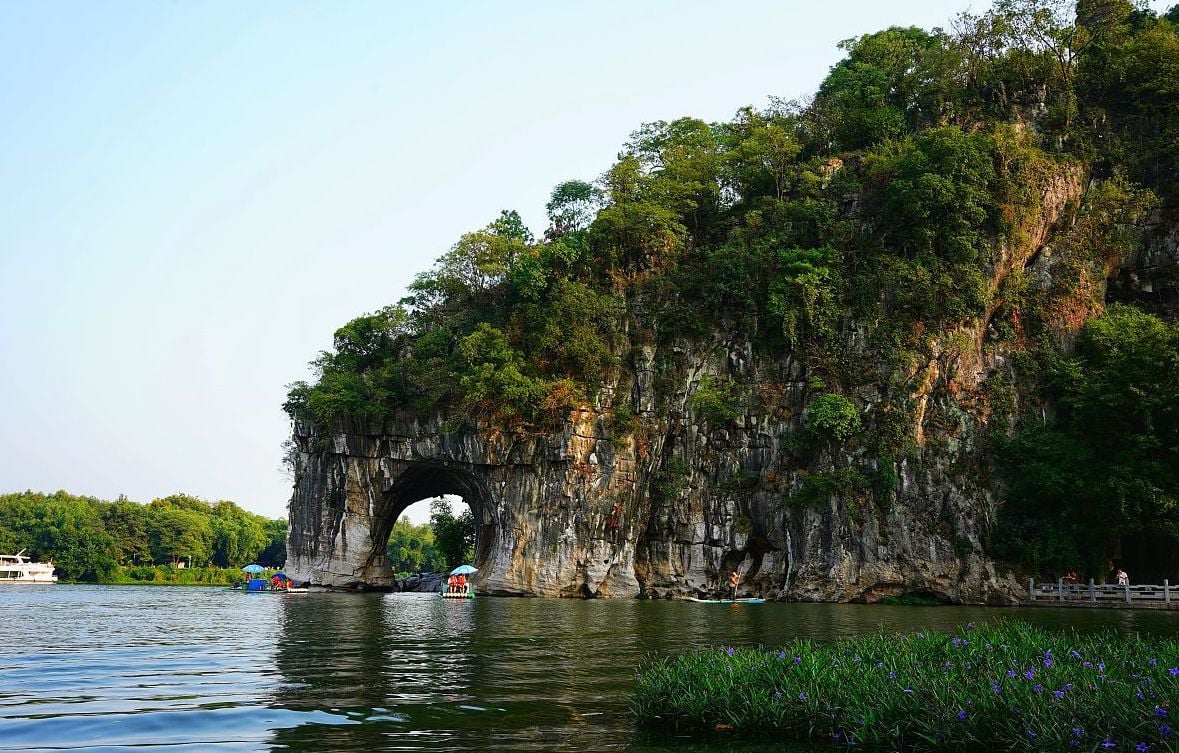
Another tale tells of seven celestial maidens who brought a heavenly elephant to Guilin to control a great flood. Though their deed was virtuous, it broke heavenly laws. The maidens were captured, and the elephant was turned to stone. Moved by its compassion, the bodhisattva Samantabhadra placed a pagoda—a transformed treasure vase—upon it, enabling the elephant to forever protect the Li River and its people.
Top Attractions at Elephant Trunk Hill
Water Moon Cave
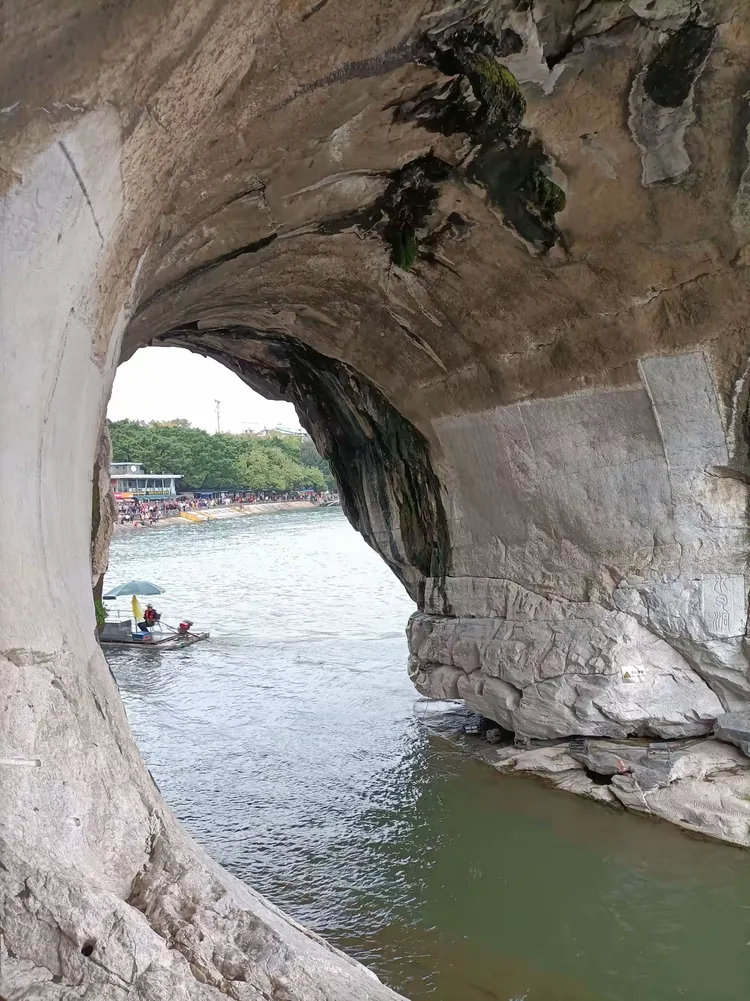
Located between the elephant’s trunk and body, Water Moon Cave is a semicircular opening through which the Li River flows. It covers an area of about 150 square meters, measuring 12 meters in height, 9.5 meters in width, and 17 meters in length. The cave and its reflection together form a vivid image of a full moon floating on the water, hence the name “Water Moon”.
On moonlit nights, the real moon, the moon-like arch, and its reflection create a poetic scene known as “Moon in the Water, Cave Under the Moon”—a highlight of Guilin’s natural landscape. The cave also contains over 50 exquisite stone inscriptions, including works by famous poets and scholars from the Song Dynasty such as Lu You, Zhang Xiaoxiang, and Fan Chengda. The earliest inscription, carved during the Tang Dynasty, is the seal-script title “Water Moon Cave” by Yuan Jie.
Elephant Eye Cave
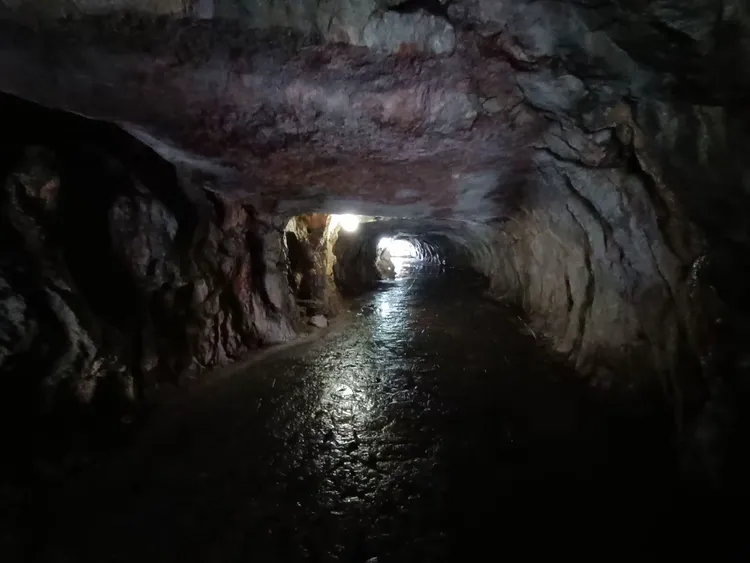
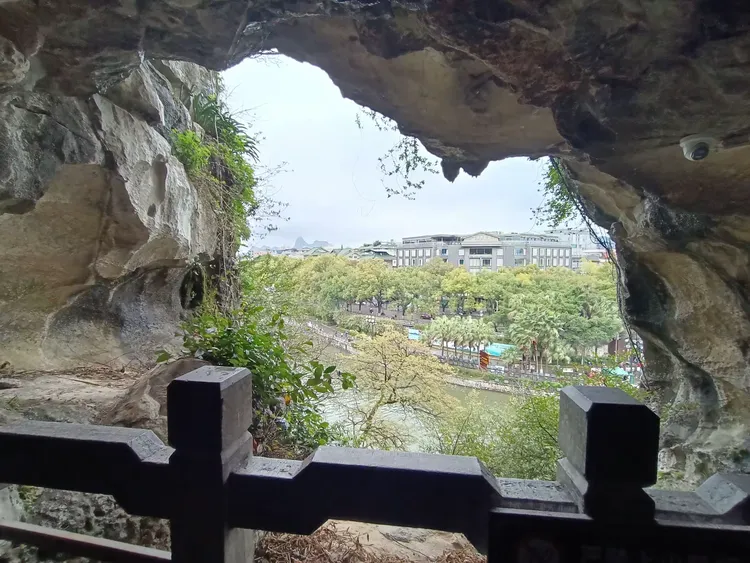
Perched high on the mountainside of Elephant Trunk Hill, the Elephant Eye Cave is a narrow tunnel running over 30 meters through the rock. Approximately 2 meters high and 5 to 10 meters wide, the cave features two openings that resemble the eyes of an elephant when viewed from afar—giving the cave its name. Due to its elevated location, it offers a clear panoramic viewpoint of Guilin’s cityscape and the Li River.
Puxian Pagoda
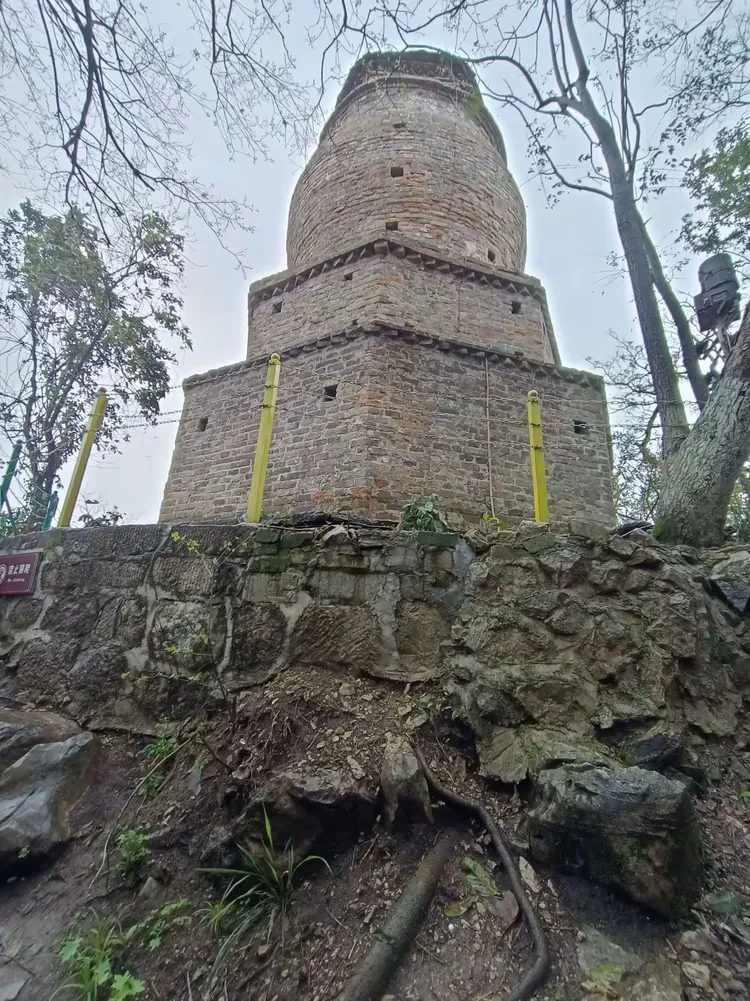
At the top of Elephant Trunk Hill, you can find the Puxian Pagoda. It was built during the Ming Dynasty to honor the bodhisattva Samantabhadra. This solid brick pagoda is built in the Tibetan lama-style, is 13.6 meters tall, and has a double-layer octagonal base. When seen from far away, its shape looks like the hilt of a sword or a simple vase. Because of this, it is also called the “Sword Hilt Pagoda” or the “Vase Pagoda”, names that come from local stories about Guilin’s landscape.
Yunfeng Temple
Located on the southwest slope of Elephant Trunk Hill, Yunfeng Temple is one of Guilin’s most famous ancient temples. It was first built during the Tang Dynasty and was once the home of the respected monk Jianzhen, who tried to bring Buddhism to Japan six times.
The temple also played a role in the Taiping Rebellion in the 19th century, serving as a meeting point for soldiers. It was later rebuilt at the end of that century. Today, the second floor of the temple has a small exhibition with historical items like flags, weapons, and cannonballs from that time.

Sanhua Wine Cellar
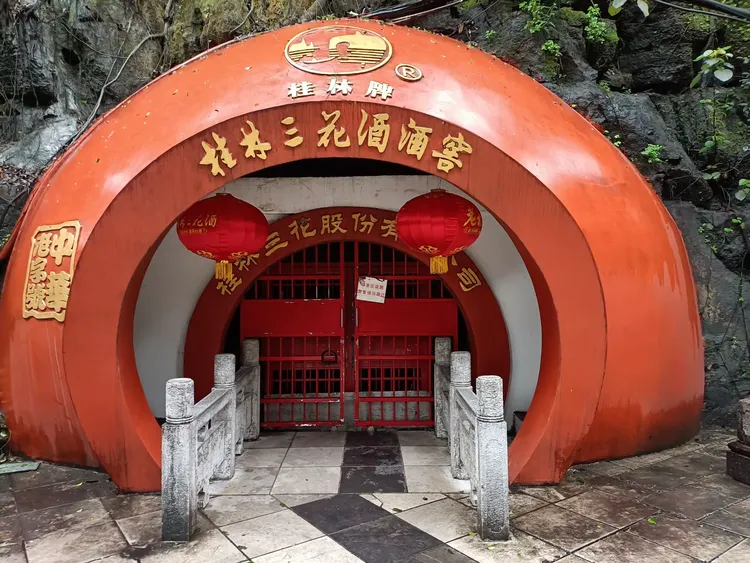
Tucked inside the lower part of Elephant Trunk Hill is a large natural cave called the “Guilin Sanhua Liquor Cellar”. Covering almost 3,000 square meters, it can hold over a thousand jars of liquor—adding up to about 2,000 tons. People have been using this cave to store Sanhua liquor since the Northern Song Dynasty.
The cave stays at a steady 20°C with high humidity all year round, which is perfect for aging liquor. Some of the liquor here has been stored for 20 years, and the best ones have been kept for as long as 50 years.
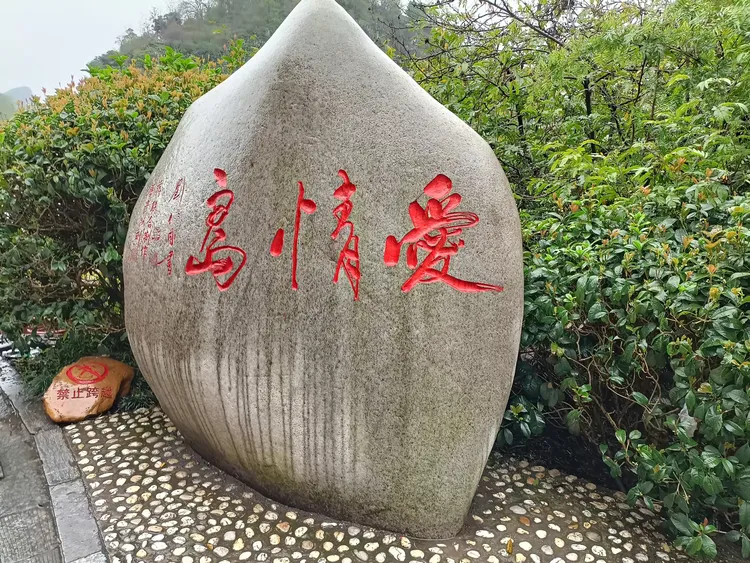
Love Island
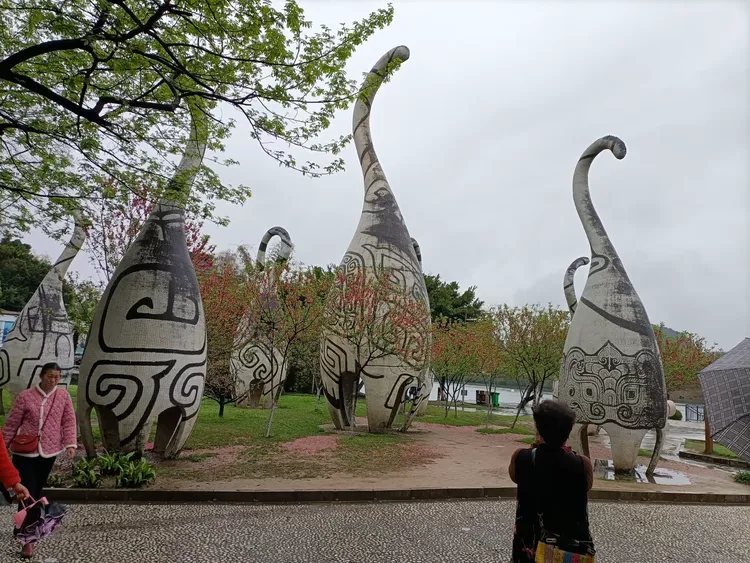
To the north of Elephant Trunk Hill, in the middle of the Li River, lies a small and peaceful island called “Love Island”. It was formed in 1983 by local authorities using silt cleared from the river. The island offers the best position to view and photograph the famous Elephant Trunk Hill from a distance.
With its quiet environment and beautiful scenery, it has become a favorite place for couples. Several romantic sculptures add to its gentle and cultural atmosphere.
Best Time to Visit Elephant Trunk Hill
Elephant Trunk Hill is open all year, and each season offers its own unique experience. Autumn is often considered the best time to visit Guilin, as the weather is mild and dry with comfortable temperatures.
Winters are cool and damp, so wearing warm clothes is recommended. Spring and summer are warmer but often humid, with occasional sudden rain. It’s a good idea to bring light clothing, sunscreen, and an umbrella during these seasons.
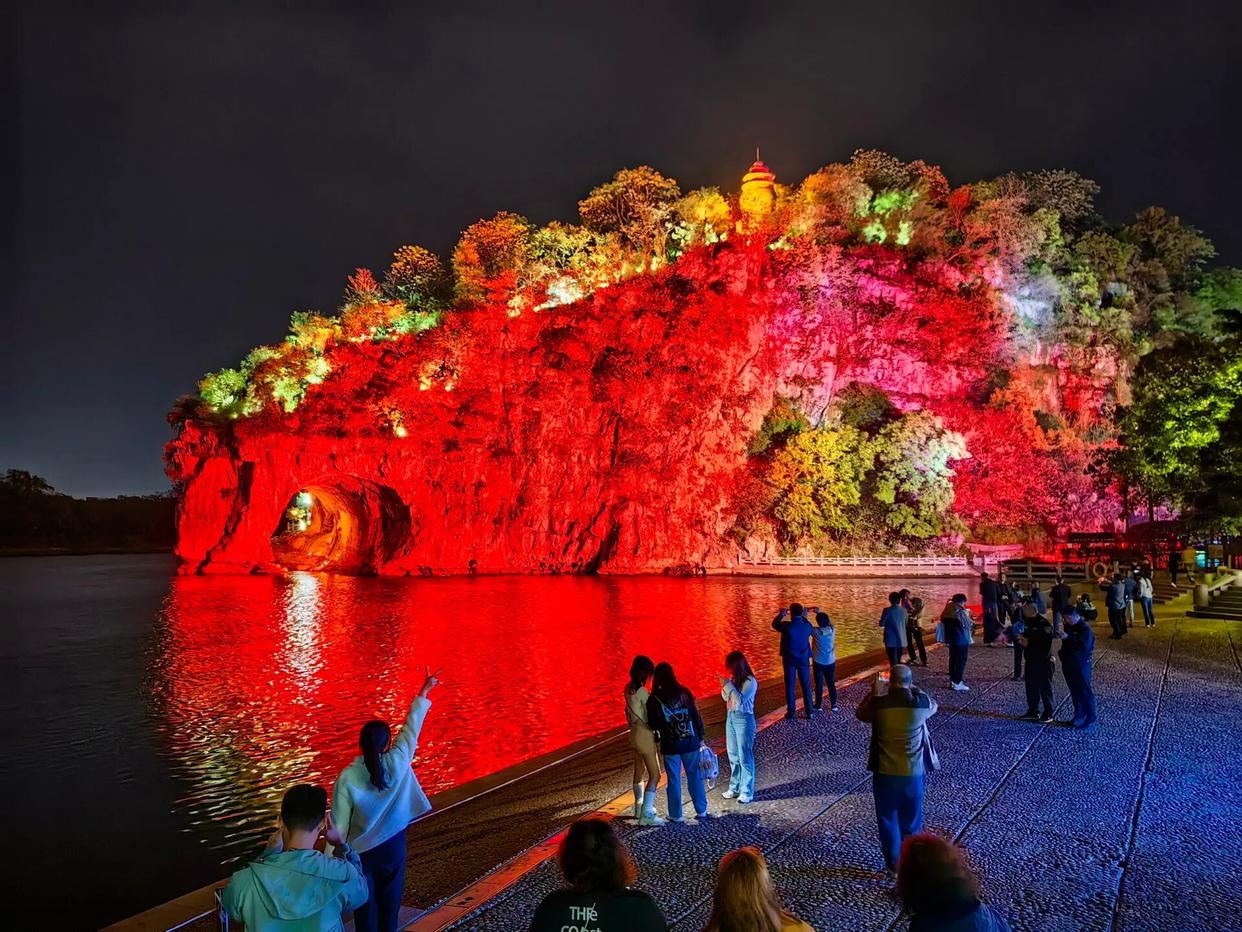
Early morning is a beautiful time to see the hill surrounded by light fog and mist over the river, creating a classic Guilin landscape. It’s also quieter at this time, perfect for peaceful photos. After sunset, the park is lit up with colorful lights, offering a festive atmosphere and a great view of the “Elephant Hill Water Moon” scene—a favorite spot for photographers.
How to Get to Elephant Trunk Hill
Located in Guilin’s Xiangshan District, Elephant Trunk Hill is very convenient to access. It is only about 3 kilometers from Guilin Railway Station and 30 kilometers from Guilin Liangjiang International Airport.
If you are starting from the train station or the long-distance bus station, you can take Bus 16 or Bus 33 directly to Elephant Hill Park. Other bus routes that also stop near the park include Numbers 2, 23, 57, 58, and the Tourist Sightseeing Line 1.
For visitors arriving at Liangjiang Airport, a direct shuttle bus service is available to the scenic area. The shuttle operates from 10:00 AM to 8:00 PM, with departures every hour.
Elephant Trunk Hill Tickets & Opening Hours
| Entrance | Free of charge. Visitors can make a reservation online 1 – 7 days before entry. |
| Opening Hours | 07:00-21:30 (stopping at 21:00) |
Note: Elephant Hill Park has three entrances. You can choose to enter through Gate 1 or Gate 3 depending on your location. If you enter from Gate 3, you’ll be able to see Elephant Trunk Hill after just a few minutes of walking. Please note that Gate 2 is the only exit. Also, remember that Gate 1 is open from 7:00 to 18:00, while Gate 3 is open from 7:00 to 21:00.
Attraction around Elephant Trunk Hill
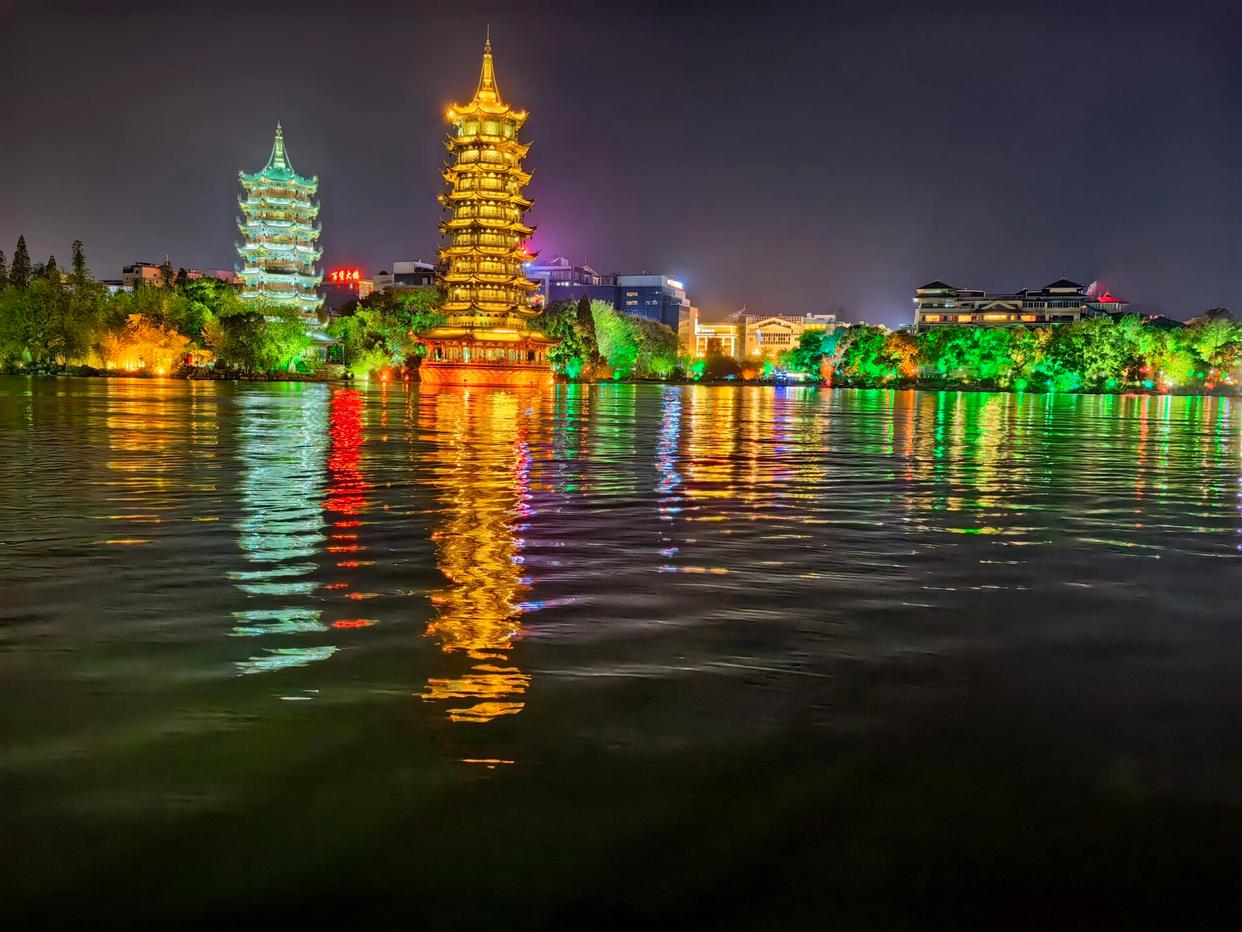
- Two Rivers and Four Lakes Scenic Area: A picturesque water network consisting of the Li River, Peach Blossom River, and four lakes, featuring the iconic Sun and Moon Pagodas.
- Seven Star Park: Guilin’s largest park with karst mountains, hiking trails, wild monkeys, and local cultural activities.
- Prince Jingjiang Mansion: A Ming-era palace known as “China’s second Forbidden City.” Once the residence of royalty and later Sun Yat-sen’s headquarters, it now belongs to Guangxi Normal University and showcases classical Chinese architecture.
- Folded Brocade Hill Scenic Area: Famous for its colorful layered rocks and cultural sites including Diecai Pavilion, Mingyue Peak, ancient carvings, and the Wood Dragon Pagoda. Offers a blend of natural beauty and historical charm.